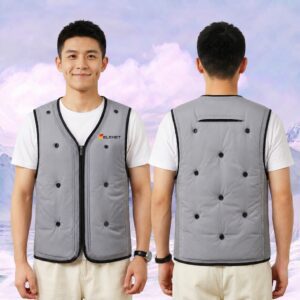
Cooling Vests for Farm and Field Work
This page is for farm managers, orchard supervisors, greenhouse operators, and livestock unit leads who plan work around harvest windows and fixed animal routines. Field heat differs from factory heat: the work happens in direct sun, over bare soil or reflective plastic, with little shade and no cooled break room. Picking, pruning, spraying, and stock handling cannot always wait for a cooler hour, so the cooling has to travel with the crew.
Why heat is a problem in this work
Open field work combines high solar load with ground reflection. Bare soil, plastic mulch, and orchard floor all return heat upward, and a worker who bends or kneels is close to that surface. Humidity matters more than air temperature in a greenhouse: when the air is already wet, sweat evaporates slowly, the body loses its main cooling route, and core temperature climbs during steady, moderate work.
Harvest and livestock routines fix the schedule. Fruit has to be picked inside a window, and animals have to be fed, moved, and checked at set times regardless of the forecast. That means the crew works through the hottest hours, often in long sleeves and gloves for crop protection or chemical safety, which adds coverage and further reduces evaporation from the arms.
Which cooling system fits
| Working condition | Recommended system | Why | Runtime |
|---|---|---|---|
| Open field harvest, full sun, long sleeves | Water circulation vest | Steady torso cooling under protective clothing | 4-8 hours per fill, about 4 hours at 35 C |
| Orchard or vineyard rows, bending and reaching | PCM cooling vest | Low profile, no water lines or pump | 2-4 hours per set |
| Greenhouse, high humidity, fixed benches | Evaporative cooling vest | Uses existing air movement, no battery | 4-6 hours per fill |
| Livestock barn and handling pen | Battery fan kit | Air flow under the work shirt in dusty air | 8-12 hours at low speed |
What crews actually wear
Field crews wear the cooling layer over a work shirt and under a light long-sleeve outer layer, with the reservoir in a side pocket so it clears a picking bag. In orchards, a low-profile PCM vest is preferred because it does not catch on branches. Greenhouse staff keep a filled vest at the bench and switch at the midday break, since irrigation water is already on site for the crop.
- Water circulation cooling garments for open field harvest under long sleeves.
- PCM cooling garments for orchard rows where a low profile matters.
- Evaporative cooling vests for greenhouse benches with moving air.
Frequently asked questions
Does a cooling vest still work in humid greenhouse air?
Evaporative vests depend on evaporation, so they lose effectiveness as humidity rises. In a sealed greenhouse choose water circulation or PCM, which move heat by conduction and are not slowed by moisture in the air. Run fans and vents where possible, and rotate staff out of the tunnel at the peak of the day.
Can cooling garments be worn with clothes for spraying?
Wear the cooling layer under the protective suit and follow the chemical label and your safety officer’s instruction on layering. A water circulation or PCM vest adds a layer, so check that the suit still fits and that the respirator is not disturbed. Wash the vest after contact with spray drift.
How long does cooling last through a harvest shift?
No single system covers a full day without attention. A water circulation vest runs 4-8 hours per fill, about 4 hours at 35 C, PCM packs 2-4 hours per set, evaporative vests 4-6 hours per fill, and fan kits 8-12 hours at low speed. Plan one swap at the midday break.
What is the order minimum for a farm crew?
Stock models start at 50 sets, and custom color or logo runs start at 200 sets. Samples take 7-10 days and bulk production 25-35 days. Battery and fan parts carry a 12-month warranty, and battery packs are CE certified. Sizing and lead time details are on our FAQ page.
Tell us the crop, the climate, and the crew size, and we will match a cooling system to the work pattern.
Models for this scenario
Recommended products
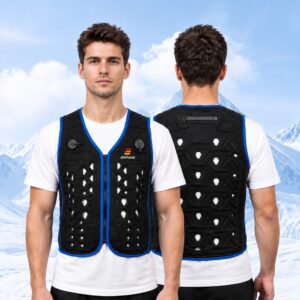
EC-A-052 Evaporative Cooling Shirt, Water Evaporation Heat Resistant Workwear for High Temperature Working
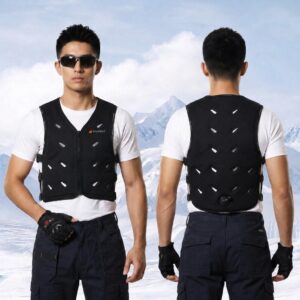
Evaporative Cooling Vest Dry Style, Physical Evaporation Cooling Work Waistcoat for High Temperature Duty

Evaporative Cooling Vest, Hot Selling Cross-Border High Temperature Cooling Waistcoat for Outdoor Work
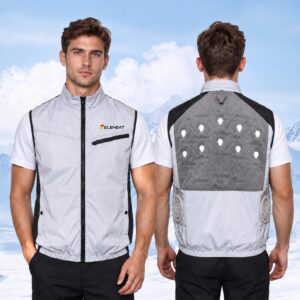
Fan Water Evaporative Cooling Workwear | TPU Water Circulation + Fan Assisted Cooling Functional Summer Apparel
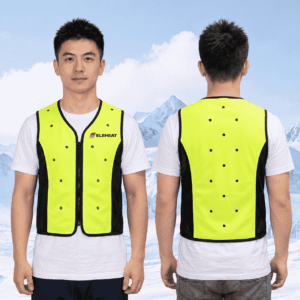
Integrated Pressing Cooling Vest
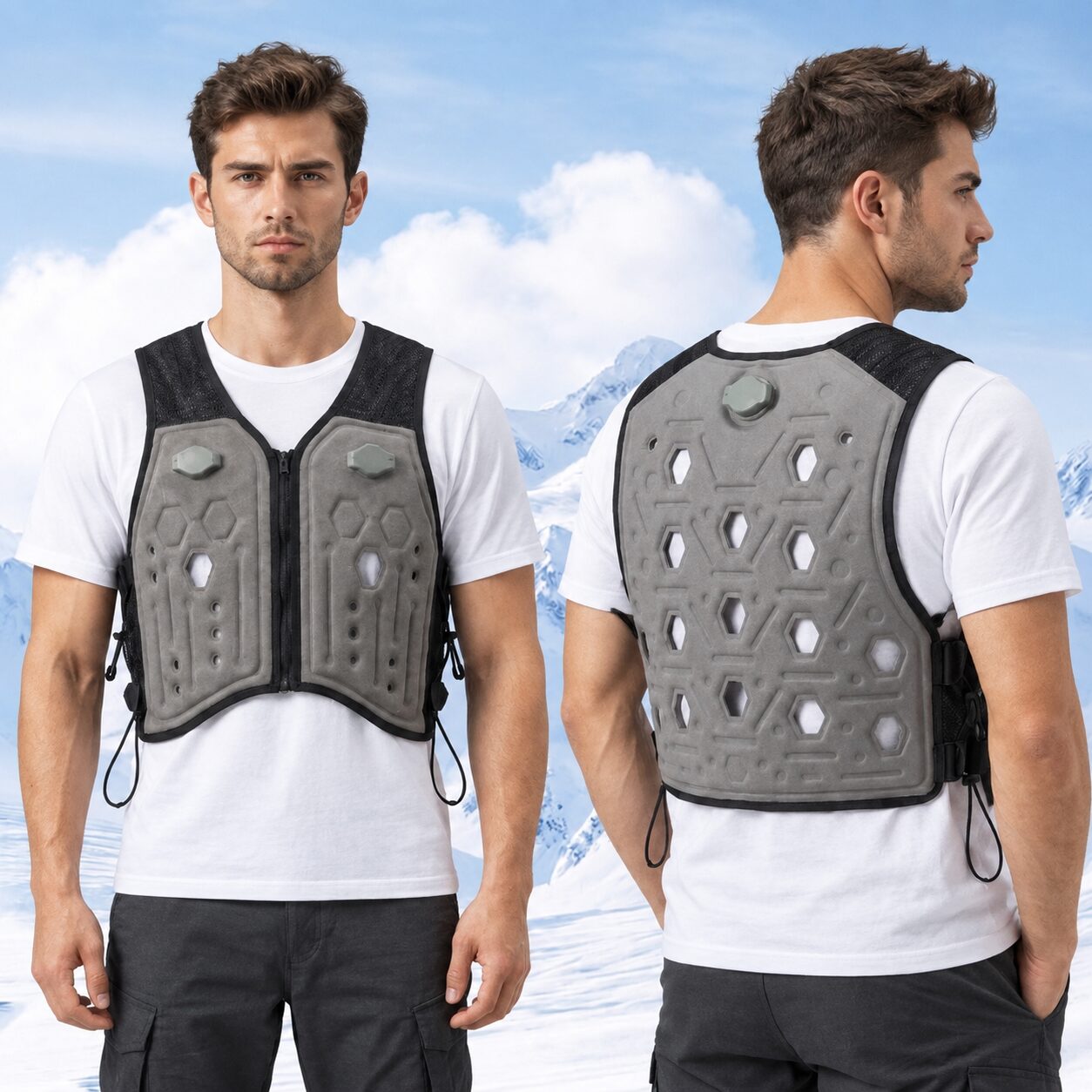
Peltier Grey Evaporative Cooling Vest | Composite Fabric Ice Water Cooling Work Vest for Outdoor & Factory
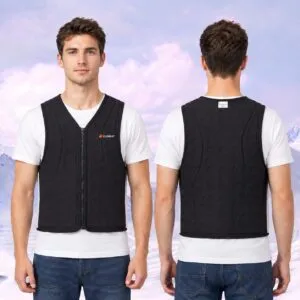
Water Circulation Evaporative Cooling Vest, Outdoor High Temperature Water Cooling Waistcoat for Summer Work