
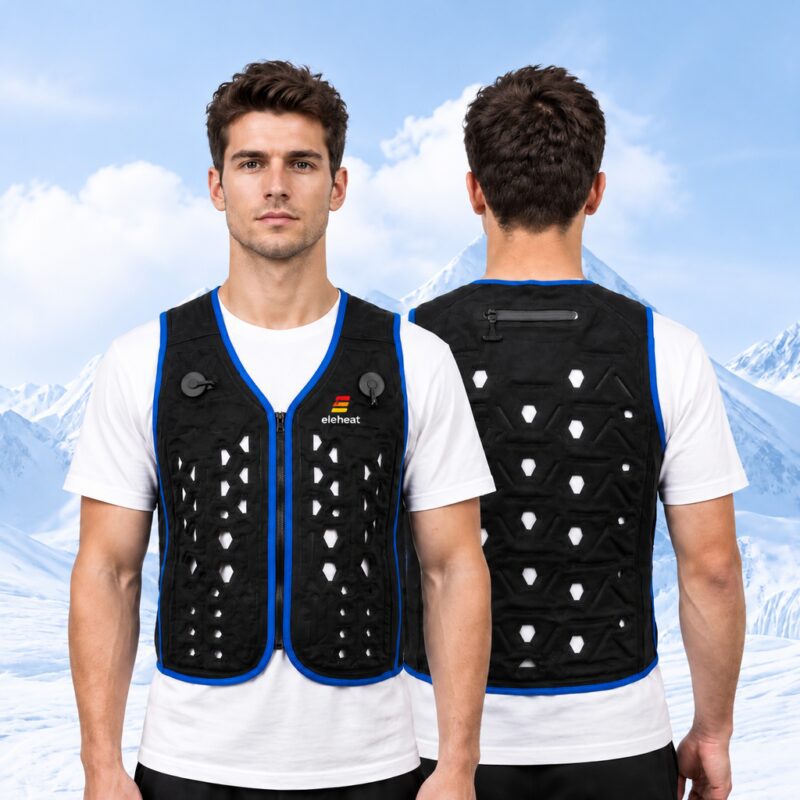
EC-A-052 Evaporative Cooling Shirt, Water Evaporation Heat Resistant Workwear for High Temperature Working
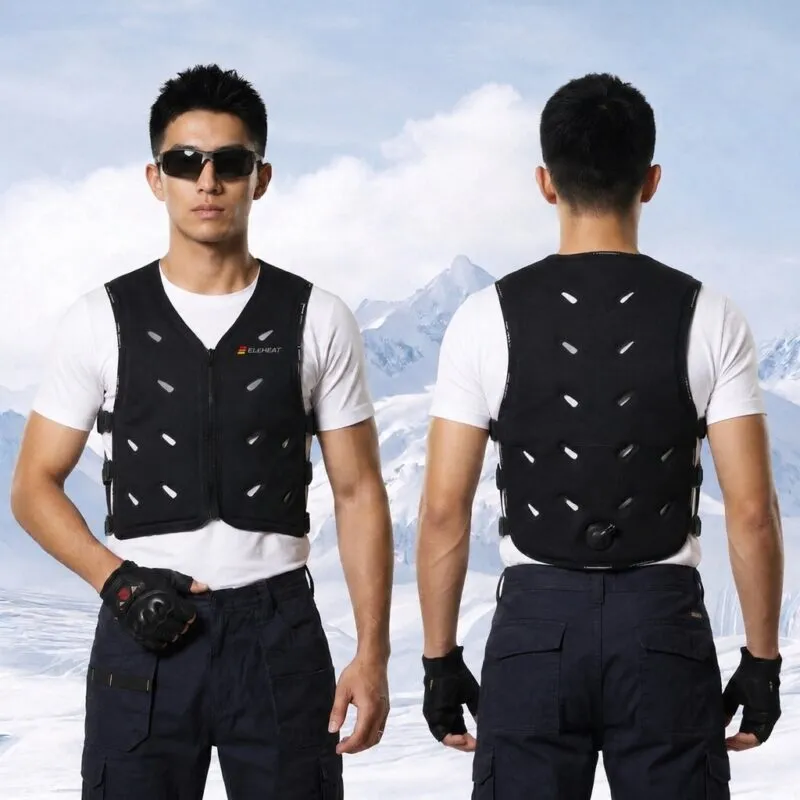
Evaporative Cooling Vest Dry Style, Physical Evaporation Cooling Work Waistcoat for High Temperature Duty
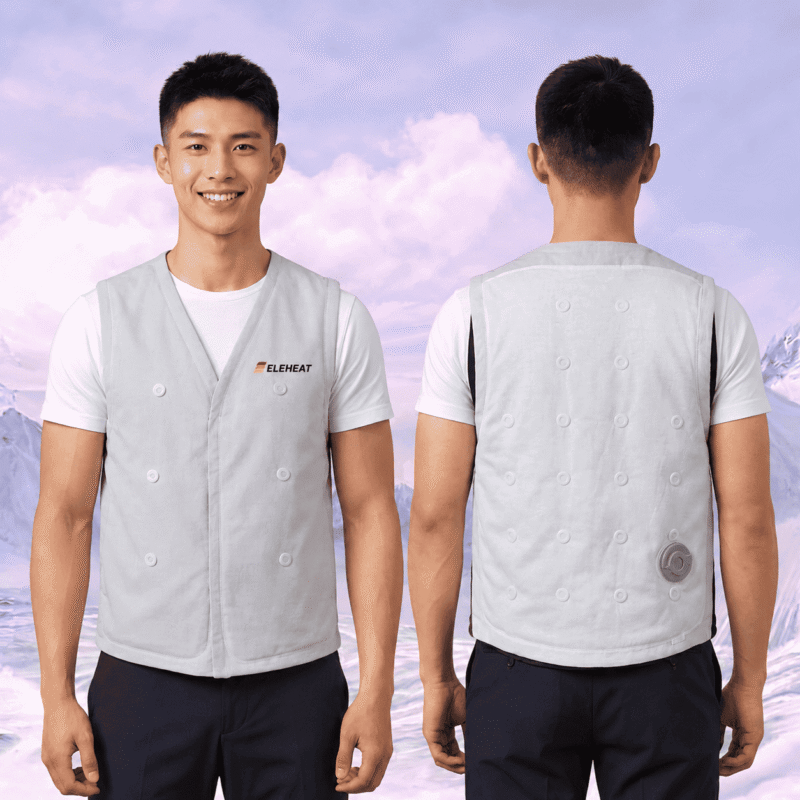
Evaporative Cooling Vest, Hot Selling Cross-Border High Temperature Cooling Waistcoat for Outdoor Work
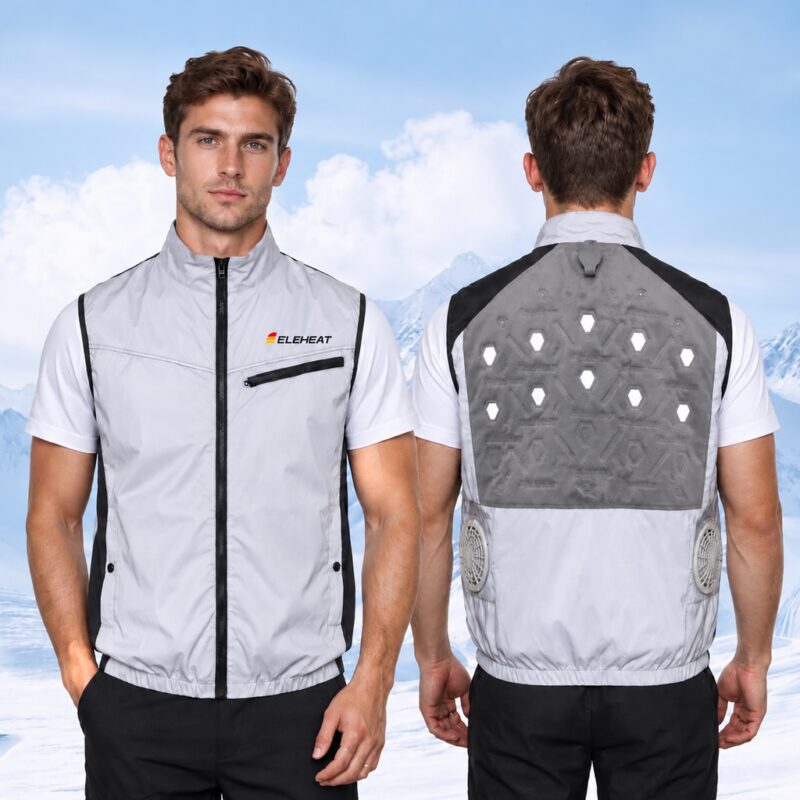
Fan Water Evaporative Cooling Workwear | TPU Water Circulation + Fan Assisted Cooling Functional Summer Apparel
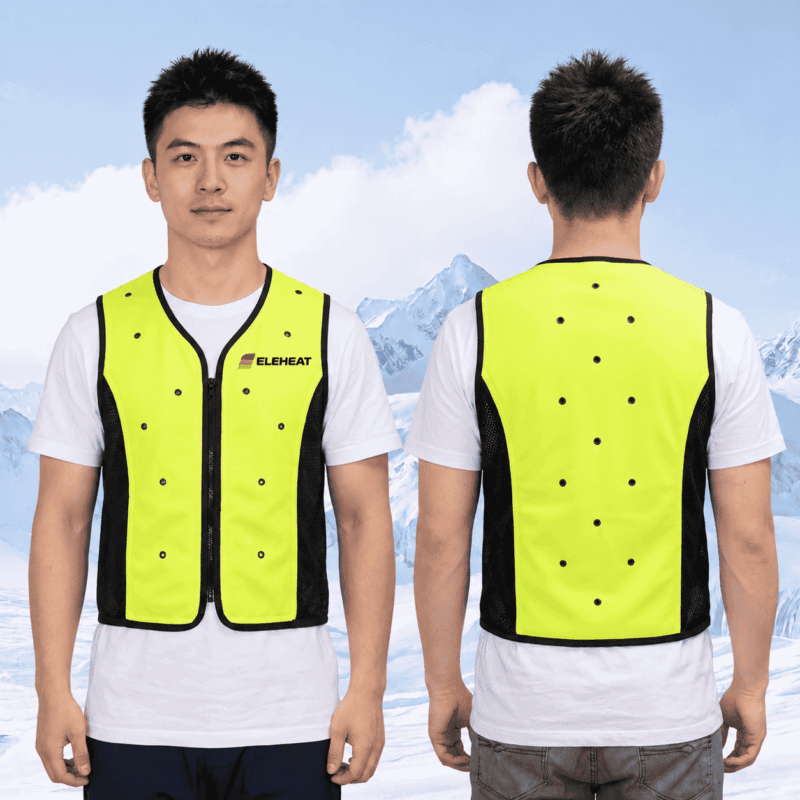
Integrated Pressing Cooling Vest
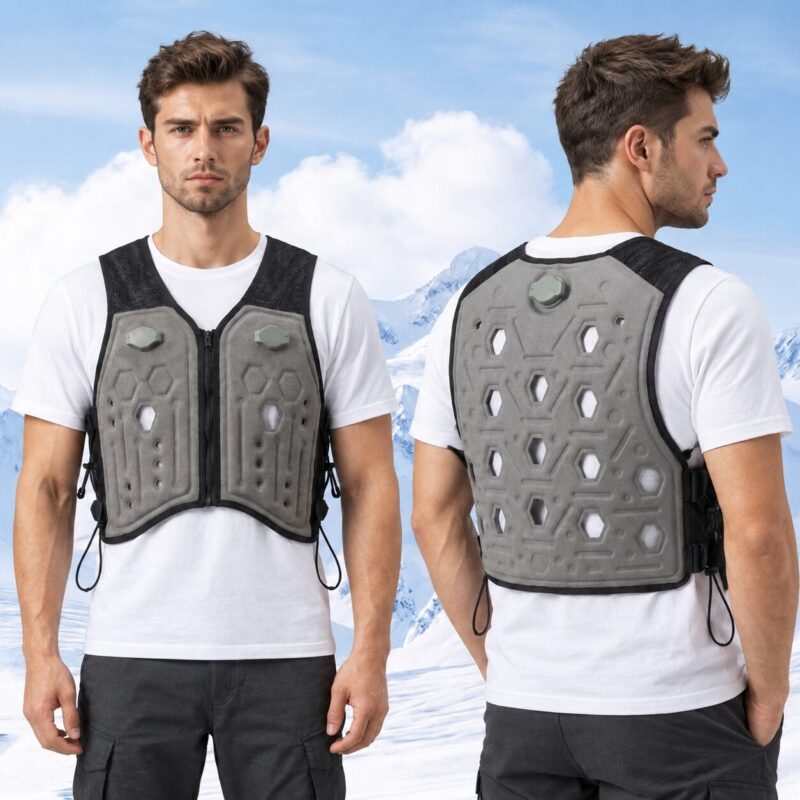
Peltier Grey Evaporative Cooling Vest | Composite Fabric Ice Water Cooling Work Vest for Outdoor & Factory
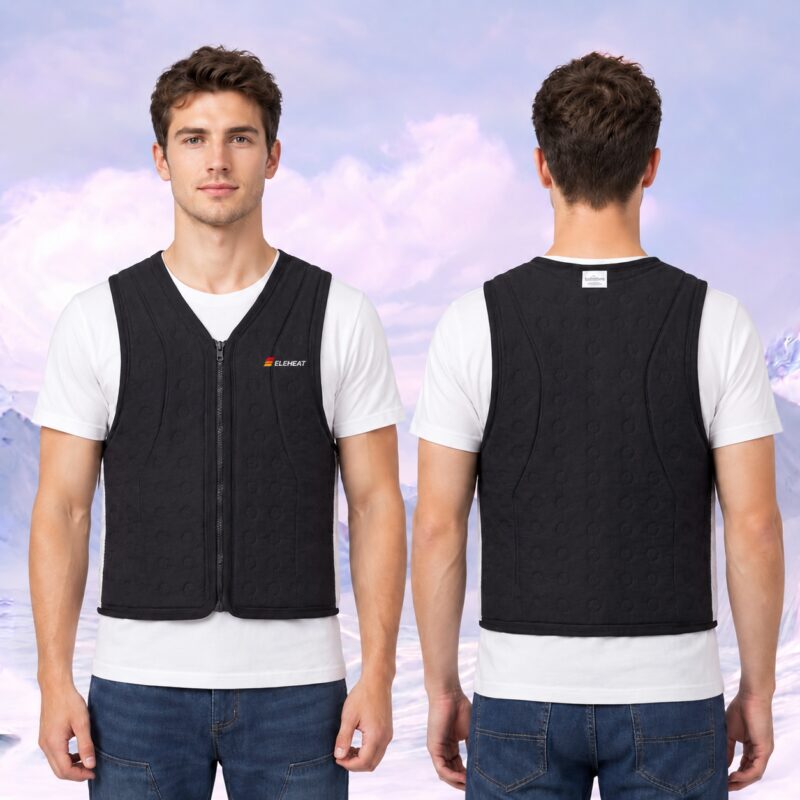
Water Circulation Evaporative Cooling Vest, Outdoor High Temperature Water Cooling Waistcoat for Summer Work
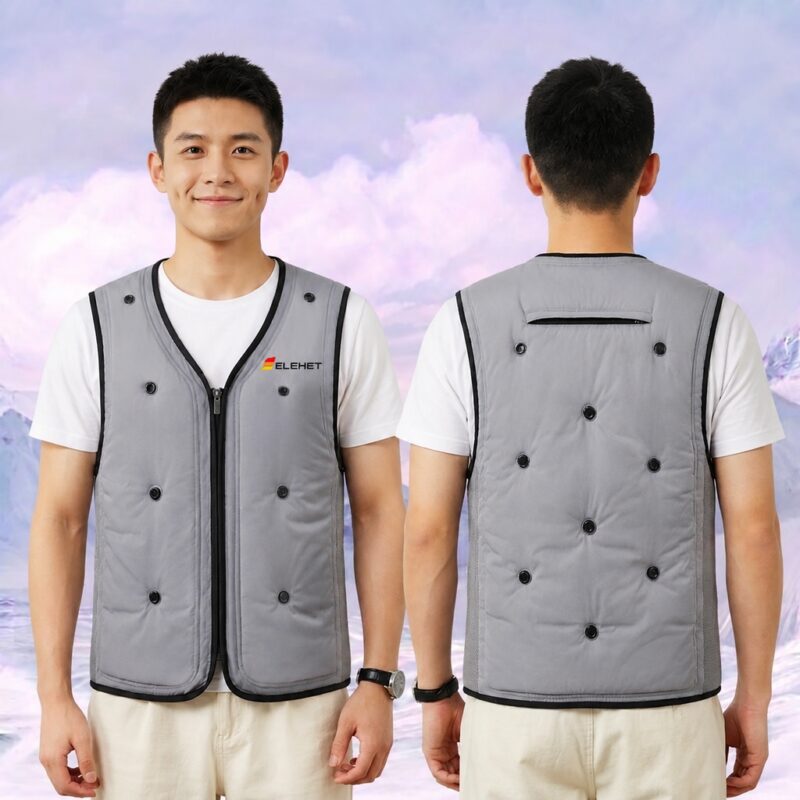
Water Evaporative Physical Cooling Vest, Lightweight Cool Sensation Summer Sports & Commute Air Condition Vest
Evaporative Cooling Vest
Evaporative cooling vests hold water in the fabric and let it evaporate, pulling heat from the body without a battery or ice pack. They are the lightest and lowest cost option, and work best in dry heat below 40 percent relative humidity. Typical use is outdoor site work, landscaping and utility crews in hot arid regions.
Five cooling technologies compared
| Technology | How it cools | Cooling time | Power | Best for |
|---|---|---|---|---|
| Water circulation | Chilled water pumped through a close-fitting loop against the skin | 4-8 h with ice pack | 12-24 V pump | Foundry, mining, boiler rooms |
| PCM phase change | Frozen phase-change packs absorb body heat at a constant temperature | 2-4 h per pack set | None | Logistics, food processing, kitchens |
| Peltier (TEC) | Semiconductor plate cools directly against the back and chest | Continuous while powered | 12-24 V battery | Welding, confined spaces, night shifts |
| Evaporative | Water-soaked fabric evaporates and pulls heat away in dry air | 4-6 h per fill | None | Dry heat, open outdoor sites |
| Fan-assisted | Airflow over the skin accelerates sweat evaporation | Continuous | 7.4-24 V battery | General outdoor and site work |
Frequently asked questions
How long does an evaporative cooling vest stay effective?
About 4 to 6 hours per fill in dry heat below 40 percent relative humidity. In humid air above 70 percent relative humidity the cooling effect drops sharply.
Does an evaporative vest need power?
No. It needs only water, which keeps weight and cost low and removes battery charging from the shift routine.
How much does an evaporative cooling vest weigh?
About 0.5 kg dry and 1.2 to 1.5 kg when soaked, in size L.
How is it cleaned?
Machine wash cold on a gentle cycle without fabric softener, then air dry. Soak before each shift and keep the fabric out of direct sun when stored.