

Backpack Style Diamond PCM Cooling Vest, Phase Change Cold Storage Waistcoat for Long Time High-Temperature Operation
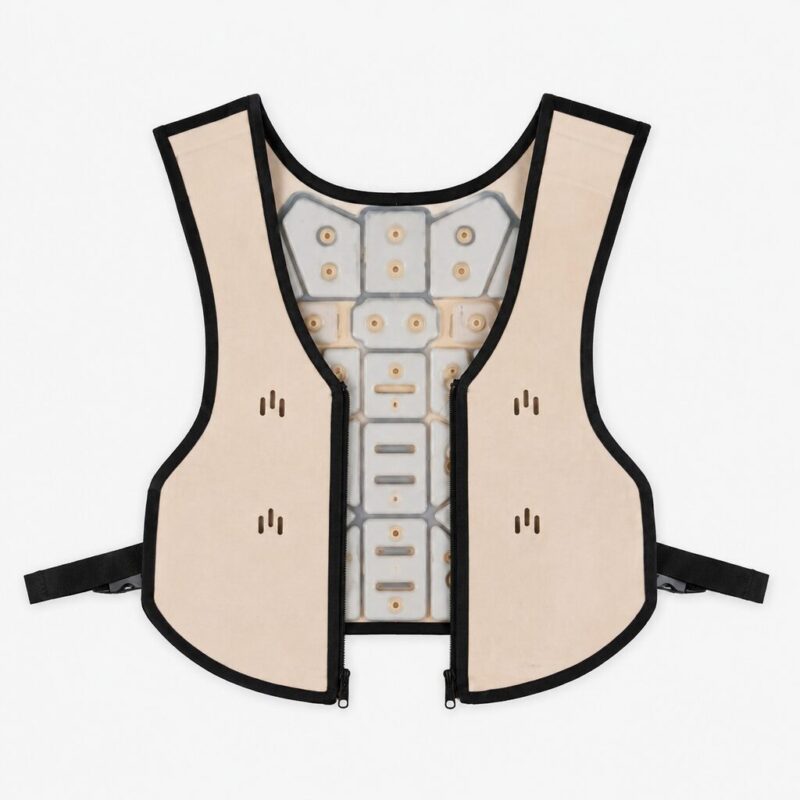
Front Zipper PCM Phase Change Cooling Vest, Adjustable Side Strap Waistcoat for Chest & Back Cooling
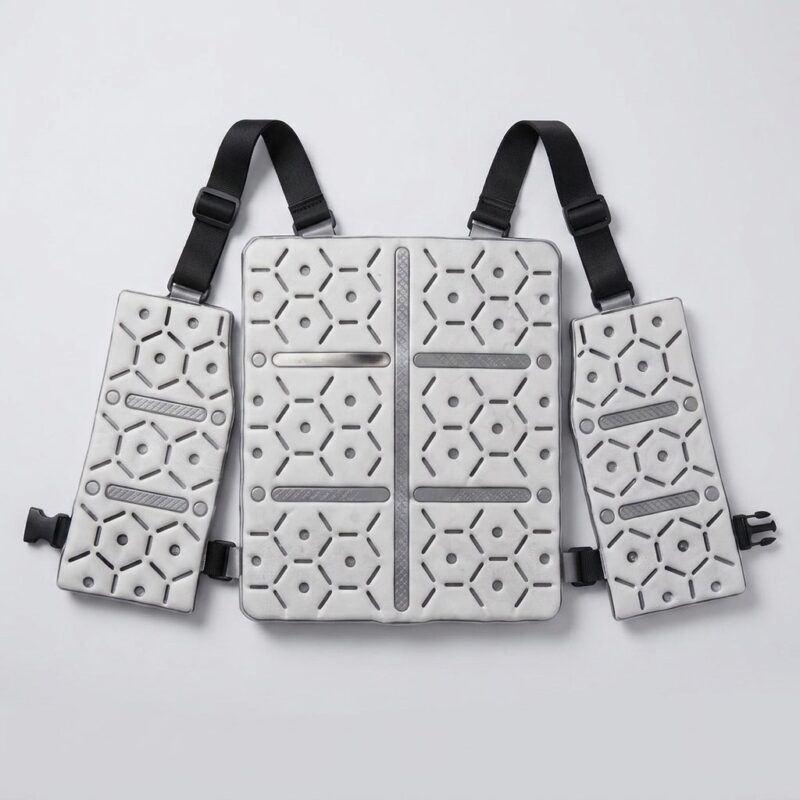
Hook-and-Loop PCM Physical Cooling Vest, Phase Change Material No Power Required Heat Relief Waistcoat
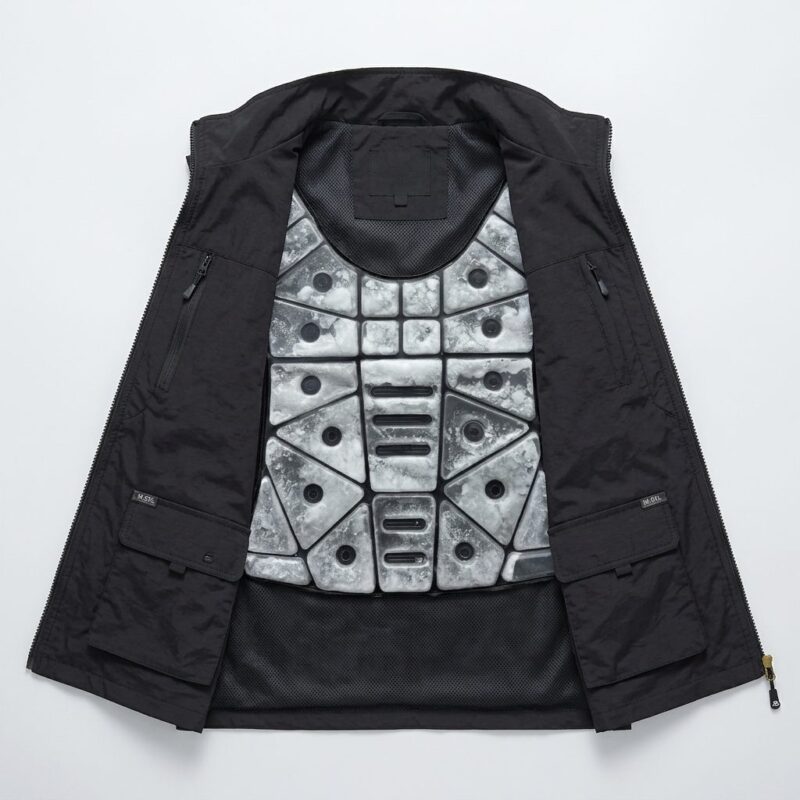
PCM Cooling Casual Garment, Phase Change Physical Heat Relief Clothing for Daily Outdoor Wear
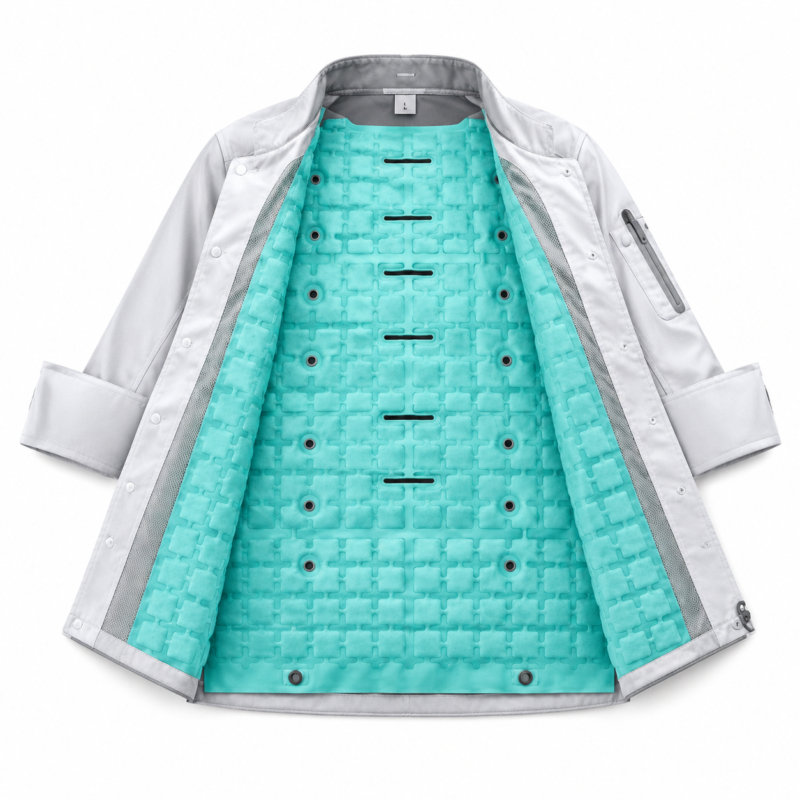
PCM Cooling Chef Jacket, Phase Change Cooling Chef Uniform for Kitchen High-Temperature Work
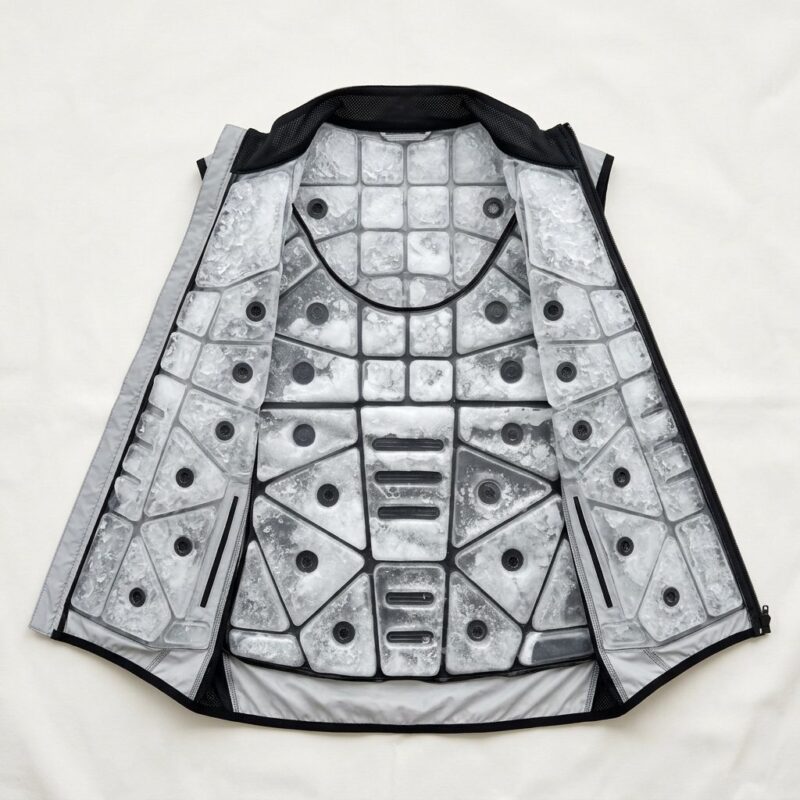
PCM Cooling Cycling Jersey, Lightweight Windproof UV Protective Phase Change Garment for Summer Riding
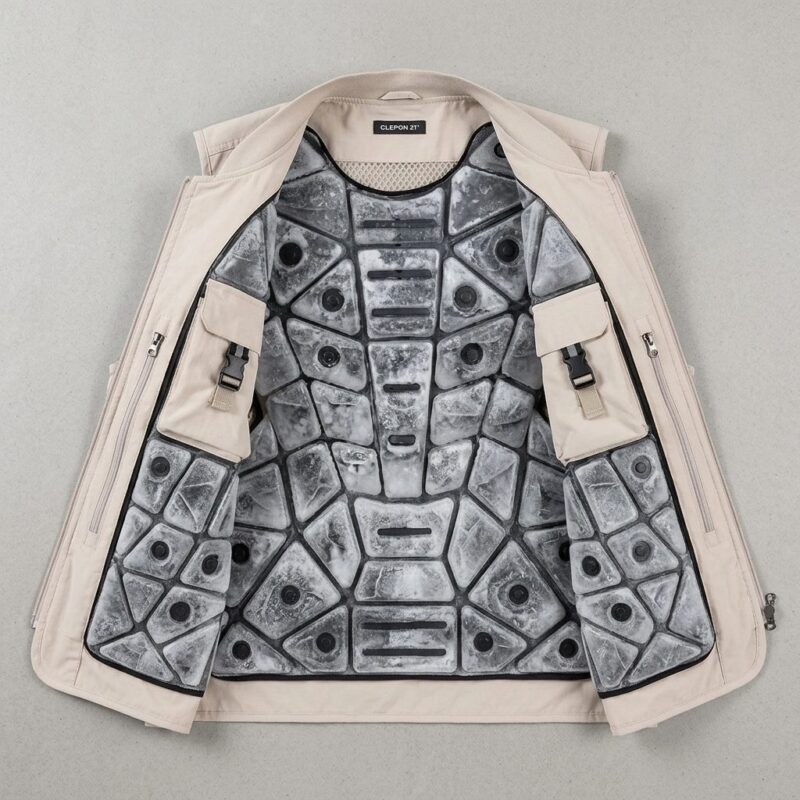
PCM Cooling Photography Garment, Phase Change Heat Relief Clothes for Outdoor Photographers
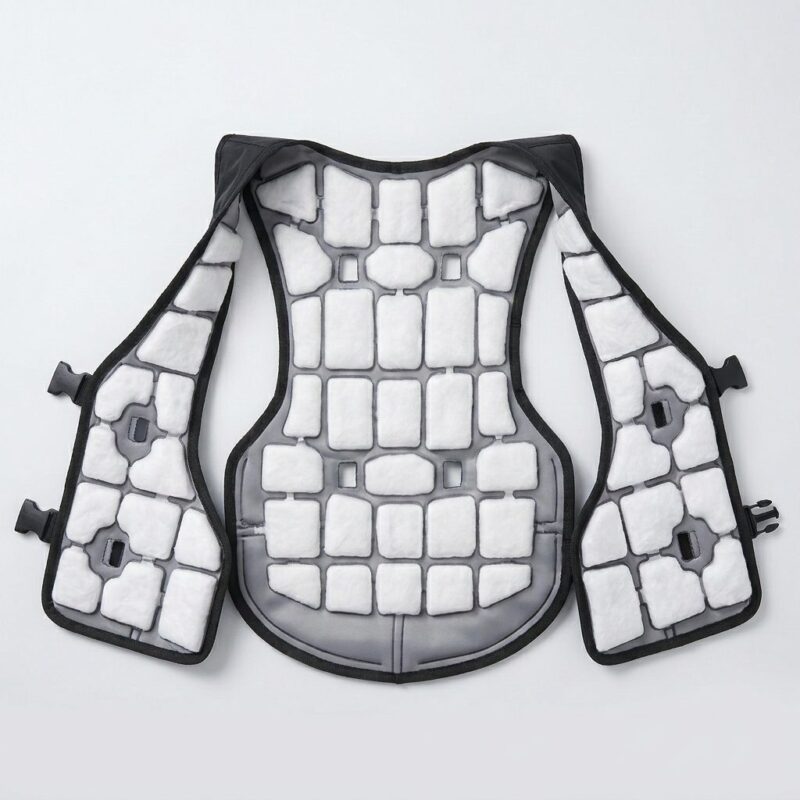
PCM Cooling Vest, Cold Sensation Phase Change Waistcoat for Summer Outdoor High Temperature Activities
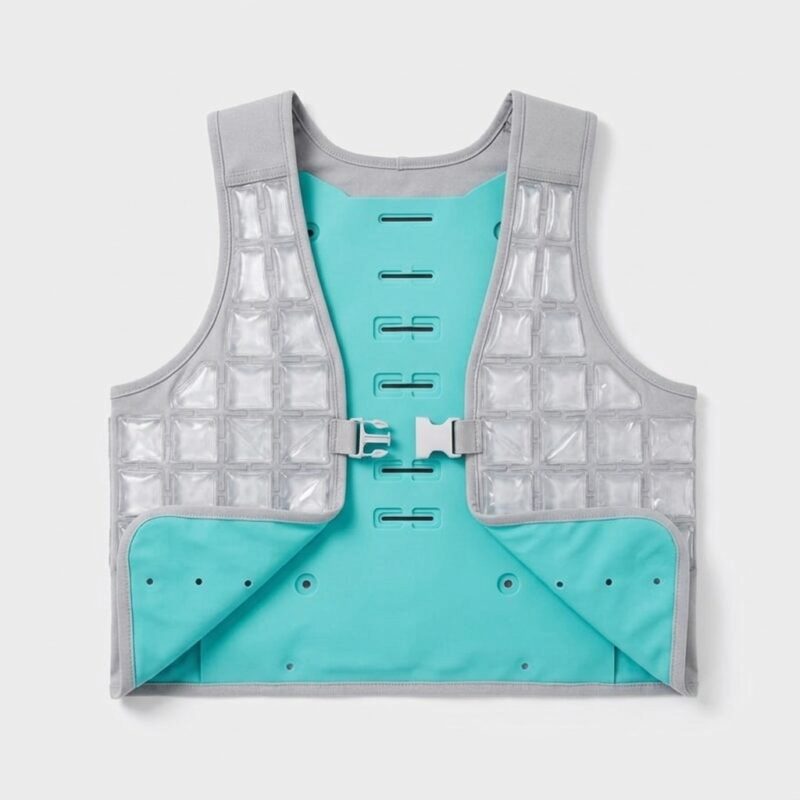
PCM Phase Change Cooling Garment for Office Workers, Lightweight Daily Heat Relief Apparel
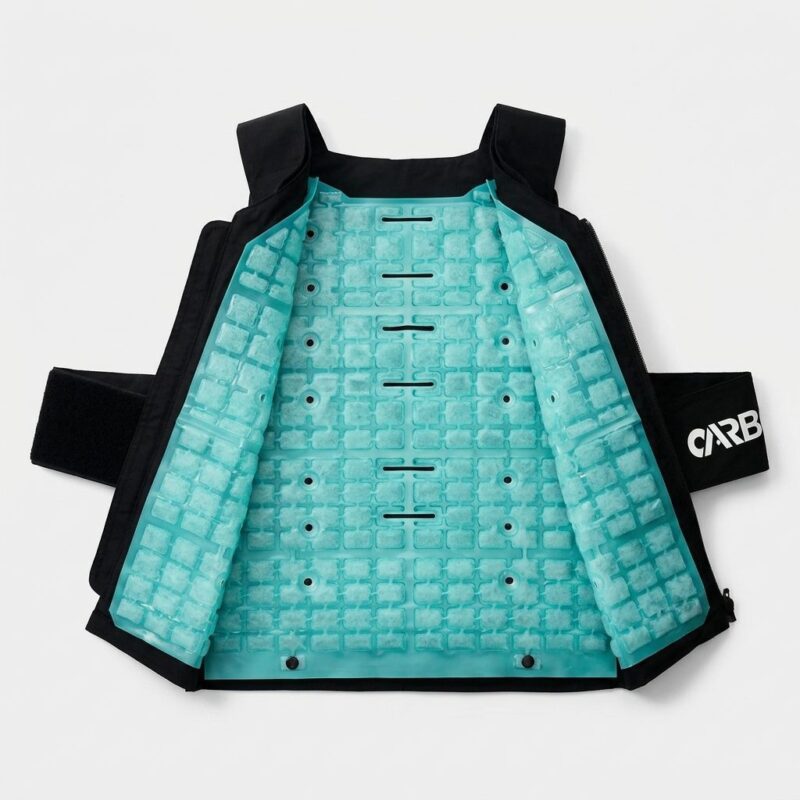
PCM Phase Change Cooling Photography Clothing | Composite Fabric 2-3 Hours Cooling Time For Outdoor Shooting
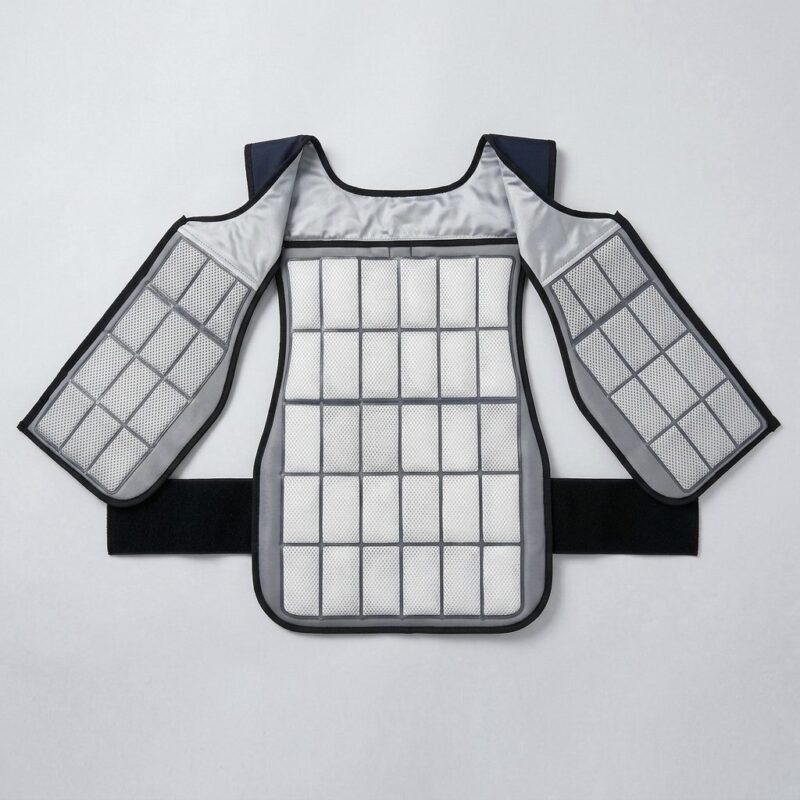
PCM Phase Change Cooling Vest, Adjustable Heat Relief Waistcoat for Construction & Delivery High-Temperature Work
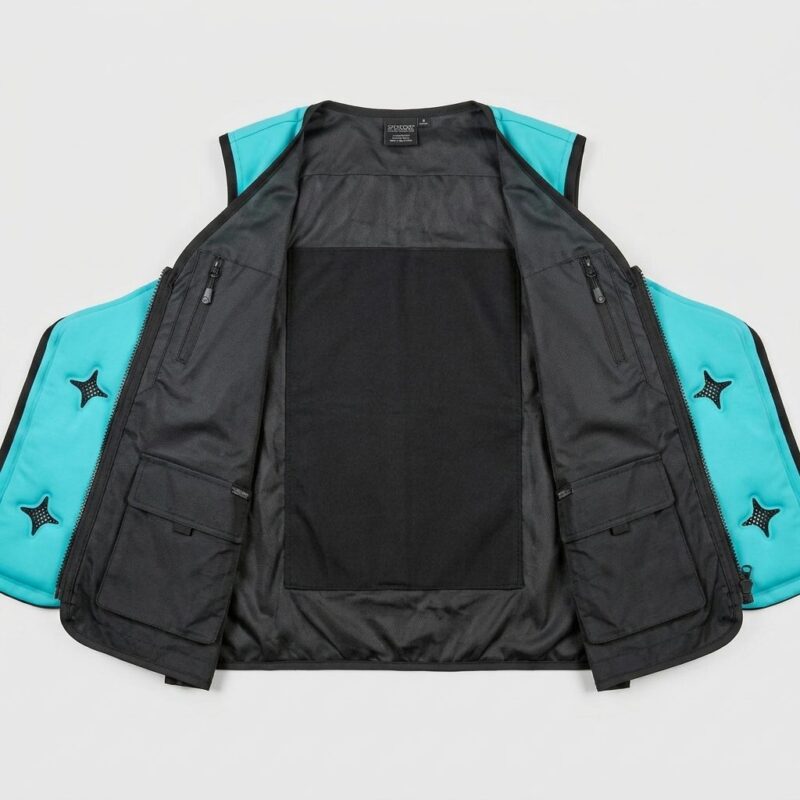
PCM Phase Change Cooling Vest, Ice Sleeveless Heat Relief Waistcoat for Construction & Sanitation Outdoor Work
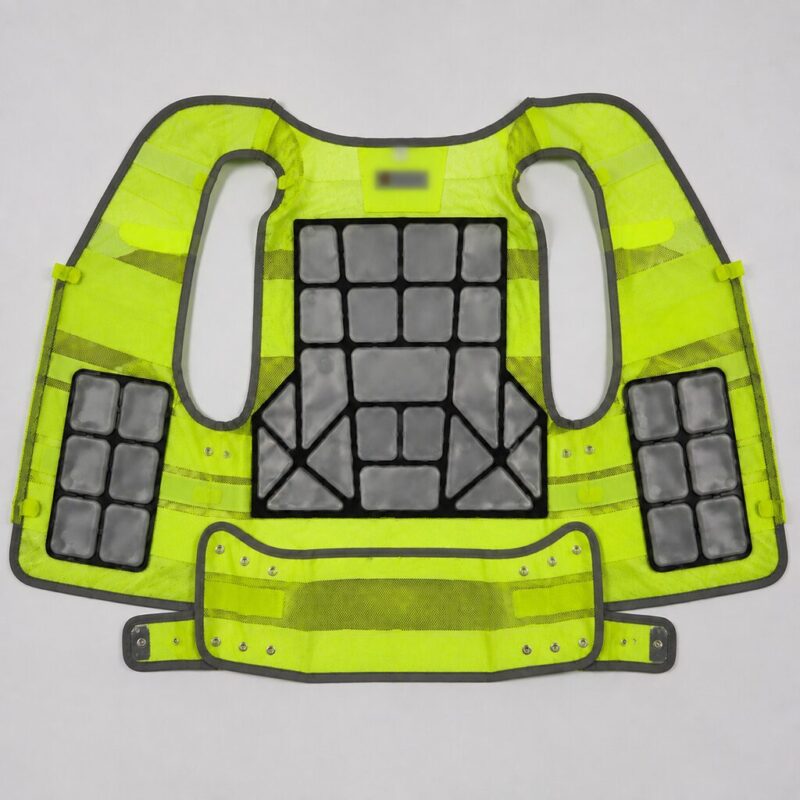
PCM Reflective Safety Vest, Dual Protection Phase Change Constant Temperature Waistcoat for Road & Outdoor Work
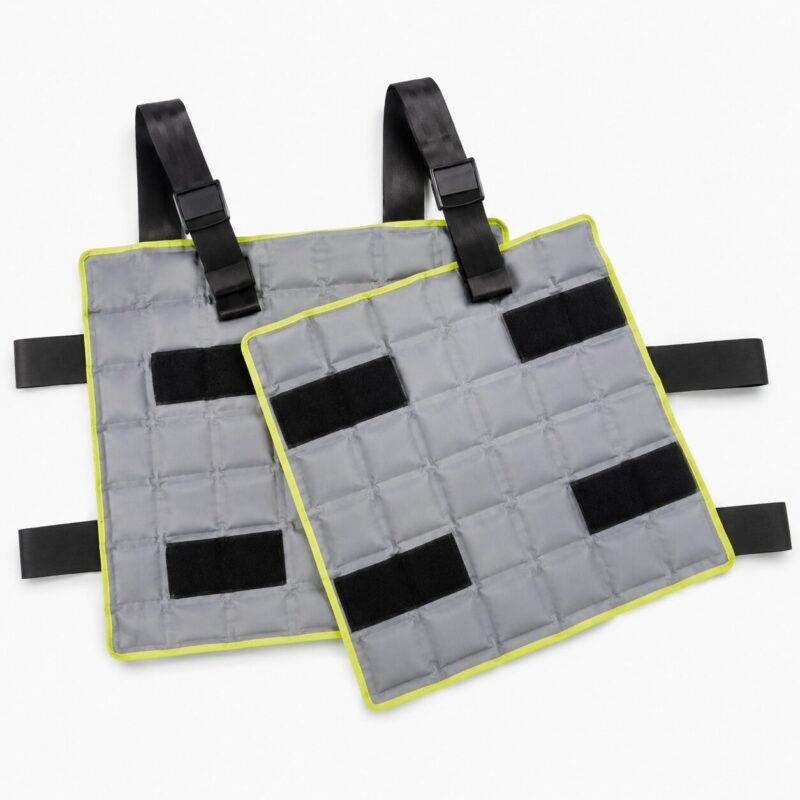
Self-Absorbing Water Evaporative Cooling Vest, Lightweight Reusable Evaporation Heat Relief Waistcoat
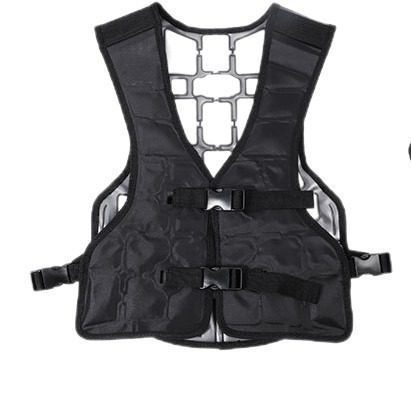
Standard Cooling Vest, XF 1265‑2015 Certified Firefighter Cold Storage Vest for High Temperature Firefighting Missions
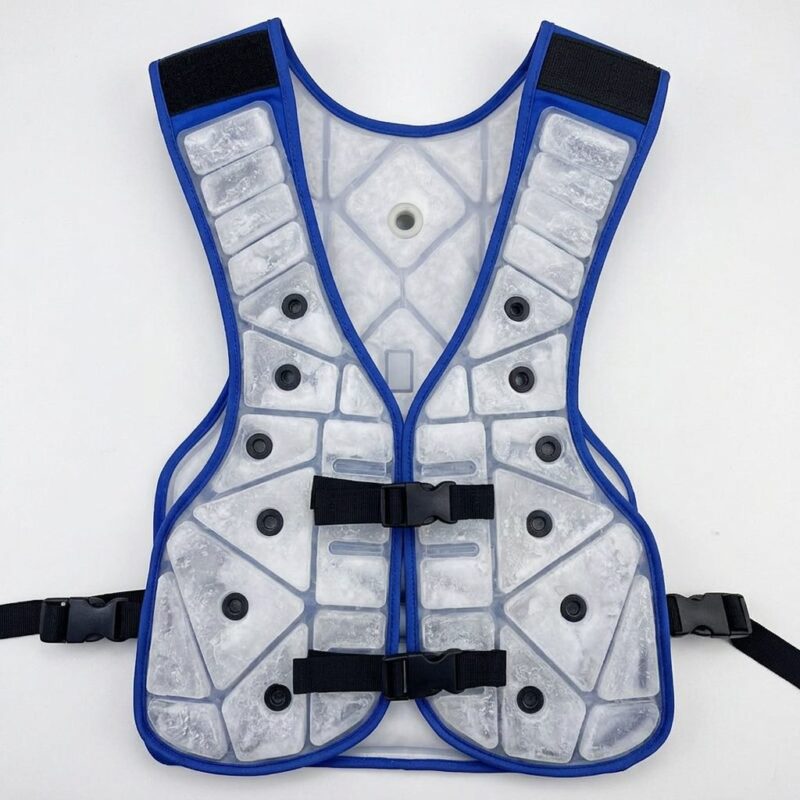
Summer Outdoor Protective PCM Cooling Vest, Constant Temperature Breathable Cold Sensation Waistcoat
PCM Cooling Garment
Phase change material cooling garments absorb body heat in frozen packs that melt at a constant temperature, so core temperature stays flat for two to four hours without any power supply. Because there is no battery, PCM vests are accepted in areas where electrical equipment is restricted, including fire rehab, road works and food processing. Packs are re-frozen between shifts and reused for more than 1,000 cycles.
Five cooling technologies compared
| Technology | How it cools | Cooling time | Power | Best for |
|---|---|---|---|---|
| Water circulation | Chilled water pumped through a close-fitting loop against the skin | 4-8 h with ice pack | 12-24 V pump | Foundry, mining, boiler rooms |
| PCM phase change | Frozen phase-change packs absorb body heat at a constant temperature | 2-4 h per pack set | None | Logistics, food processing, kitchens |
| Peltier (TEC) | Semiconductor plate cools directly against the back and chest | Continuous while powered | 12-24 V battery | Welding, confined spaces, night shifts |
| Evaporative | Water-soaked fabric evaporates and pulls heat away in dry air | 4-6 h per fill | None | Dry heat, open outdoor sites |
| Fan-assisted | Airflow over the skin accelerates sweat evaporation | Continuous | 7.4-24 V battery | General outdoor and site work |
Frequently asked questions
How long does a PCM cooling vest last per set of packs?
About 2 to 4 hours per pack set at 35 °C ambient, depending on pack mass and workload. A second frozen set doubles coverage across a shift.
Does a PCM vest need power or ice?
Neither. Packs are frozen in a freezer or cold room and absorb heat at a constant phase change temperature, which makes the vest usable where batteries are not allowed.
How much does a PCM cooling vest weigh?
About 1.8 to 2.4 kg with packs inserted in size L. The empty vest weighs about 0.9 kg.
How many times can the packs be reused?
Packs are rated for more than 1,000 freeze and thaw cycles when handled without puncturing the shell.