Cooling Vests for Commercial Kitchens
This page is for kitchen managers, chain facilities teams, and food processing supervisors who run hot lines, bakeries, and dish pits. Heat in a commercial kitchen arrives from three directions: radiant load from fryers, ranges, and oven decks, steam and humidity from wash-down, and a hood system that removes air but not the heat at chest height. Staff wear aprons, gloves, and non-slip shoes in narrow aisles, and shifts run long when the room is full.
Why heat is a problem in this work
A fryer bank or a range delivers radiant heat that reaches the cook directly, so the air temperature under the hood understates the load on the body. Humidity from the dish pit and from boiling stock slows evaporation from the skin, the body’s main cooling route, so the same air temperature feels heavier here than on a dry floor. Wet floors, non-slip footwear, and hygiene rules limit both movement and the use of fans.
Shift length and the meal service decide the exposure pattern. A four-hour service block with no pause produces a sharp heat load; a double shift produces a long one. Morning prep is cooler than service, which is why a system worn for two hours and taken off again suits a kitchen better than one built for a whole day. Bakeries add a second pattern: oven decks radiate all through the bake.
Which cooling system fits
| Working condition | Recommended system | Why | Runtime |
|---|---|---|---|
| Hot line, fryers and range, narrow aisle | PCM cooling vest | No battery or water line near food | 2-4 hours per set |
| Bakery oven deck and proofing | Water circulation vest | Steady cooling through a long bake | 4-8 hours per fill, about 4 hours at 35 C |
| Dish pit and wash-down, high humidity | Peltier cooling vest | Cooling not dependent on evaporation | 3-5 hours on a 20,000 mAh pack |
| Receiving dock and store room runs | Battery fan kit | Airflow on the move, no recharging | 8-12 hours at low speed |
What crews actually wear
In a kitchen the garment has to clear hygiene review before it reaches the line. That means a smooth outer surface that wipes down, packs that stay inside the jacket instead of hanging from a belt, and a vest that fits under an apron without lifting at the hem when the wearer reaches across a range. Facilities teams usually trial two or three units before deciding on the rest of the estate. Refill and pack-swap timing is in our FAQs.
- PCM cooling vests for hot lines that need two hours of relief and no battery in the aisle.
- Water circulation vests for bakery and prep shifts over six hours.
- Peltier cooling vests for dish pits and wash-down areas with saturated air.
Frequently asked questions
Can a cooling vest be worn under a chef jacket?
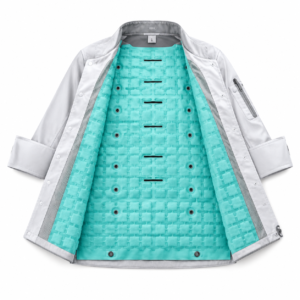
Yes. The vest is worn as a base layer under a chef jacket or apron, with the packs held against the torso. We ask for chest measurement and jacket size at order so the fit does not bind at the shoulder, and low-profile models are the ones most kitchens choose.
How long does cooling last during one service block?
A PCM vest runs 2 to 4 hours per set, which covers a normal service block. A water circulation vest runs 4 to 8 hours per fill, about 4 hours at 35 C, and a Peltier vest 3 to 5 hours on a 20,000 mAh pack.
What is the minimum order and lead time?
MOQ is 50 sets for stock models and 200 for custom color or logo. Samples take 7 to 10 days and bulk orders 25 to 35 days. Chain rollouts are usually staged by site so sizing is confirmed first.
What documentation comes with the system?
Battery packs are CE certified and carry a 12-month warranty, together with fan parts. Production runs under an ISO 9001 quality system. We send the battery specification and warranty terms with the quotation for facilities review.
Send us the kitchen layout, service pattern, and uniforms, and we will match a system to the hot line, bakery, or dish pit.
Models for this scenario
Recommended products
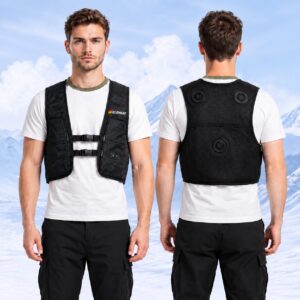
1-to-3 Peltier Temperature Control Air Conditioning Garment, Semiconductor Cooling and Heating Dual Mode Work Clothes
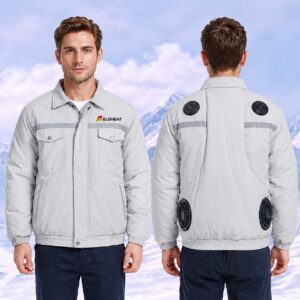
Adjustable Multi-Gear Smart Fan Semiconductor Cooling Vest, Outdoor High Temperature Heat Protection Workwear
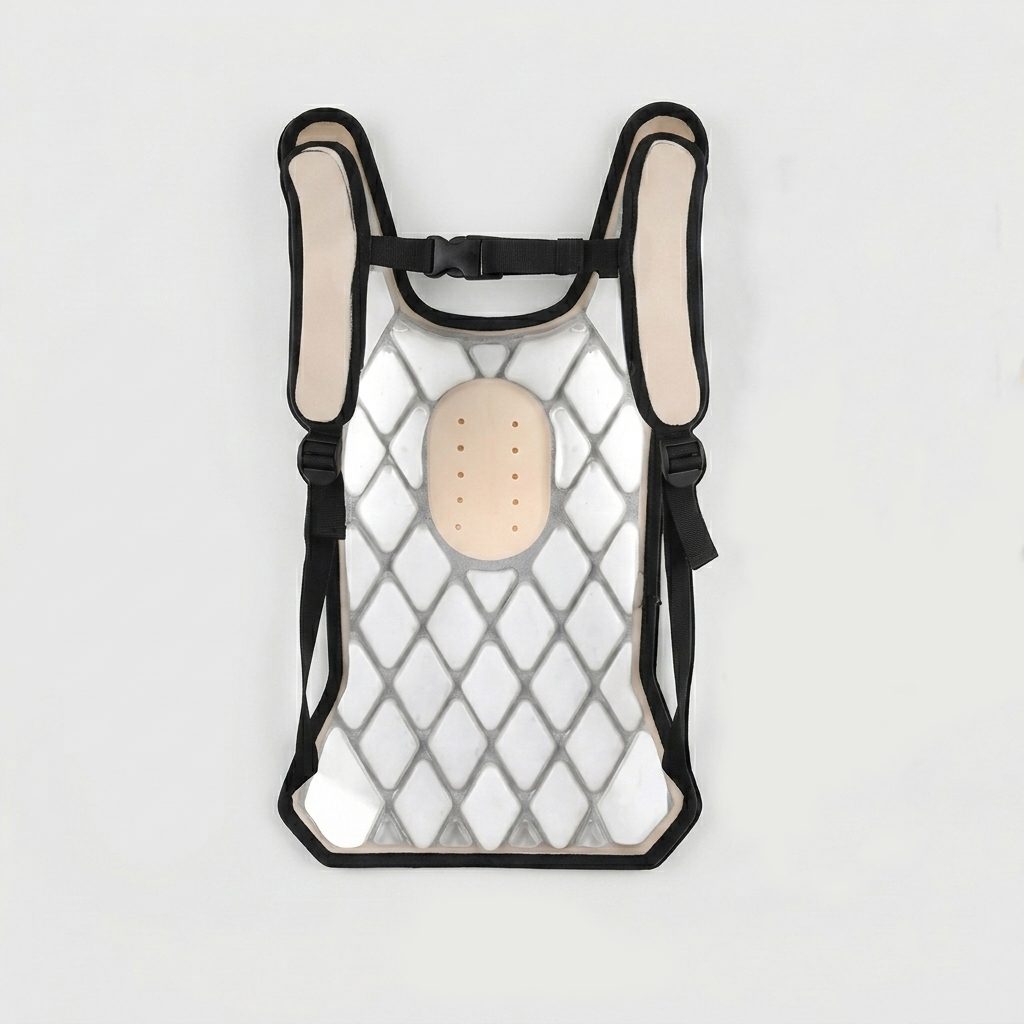
Backpack Style Diamond PCM Cooling Vest, Phase Change Cold Storage Waistcoat for Long Time High-Temperature Operation
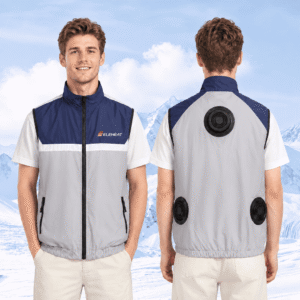
ECA-046 Peltier Fan, Semiconductor Cooling Heat Sink Accessory for Cooling Garment & Industrial Equipment
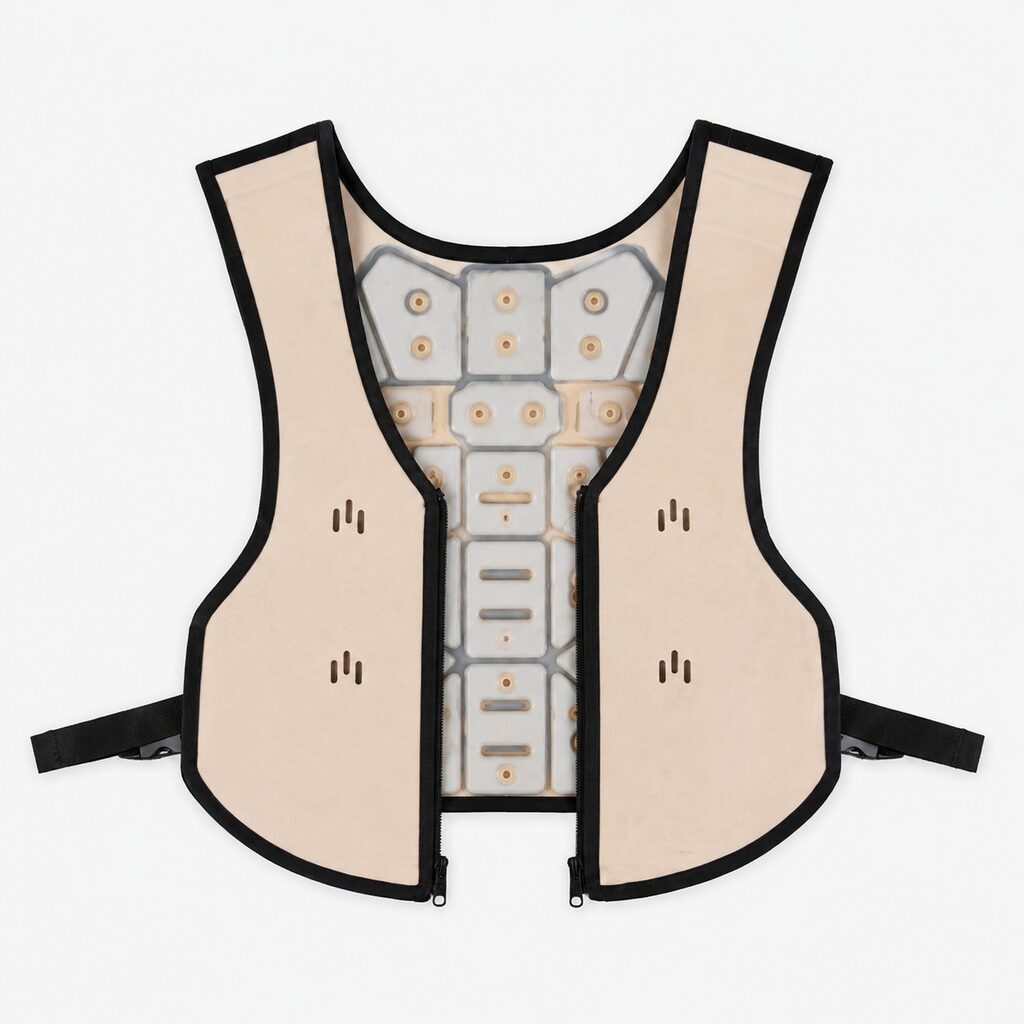
Front Zipper PCM Phase Change Cooling Vest, Adjustable Side Strap Waistcoat for Chest & Back Cooling
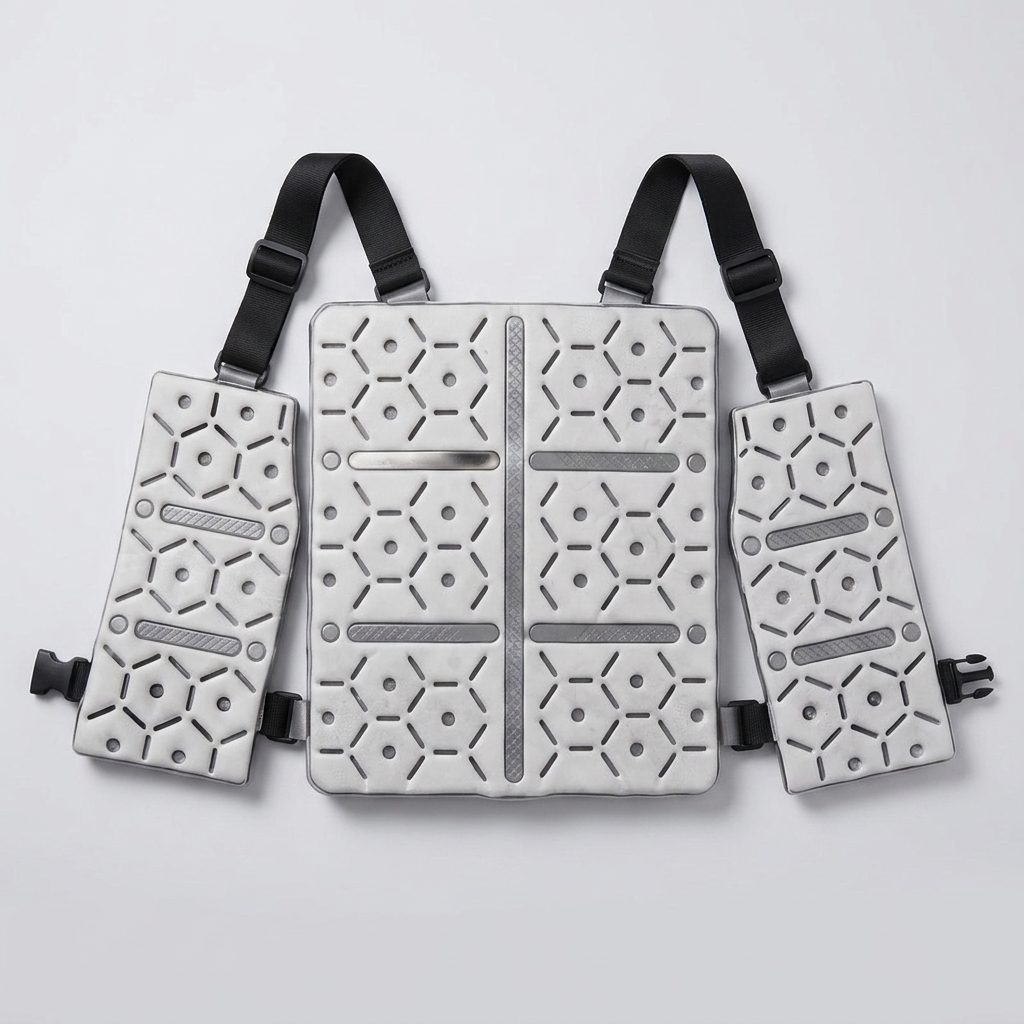
Hook-and-Loop PCM Physical Cooling Vest, Phase Change Material No Power Required Heat Relief Waistcoat
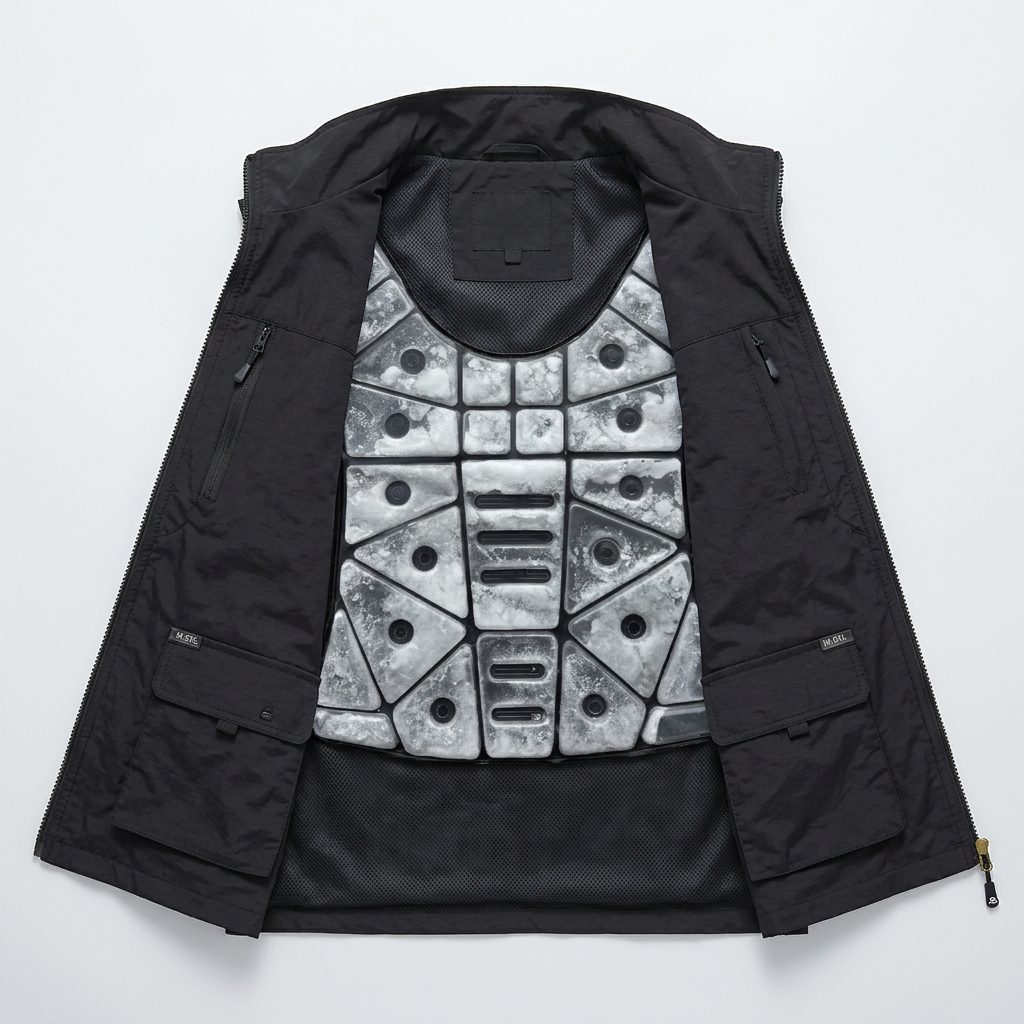
PCM Cooling Casual Garment, Phase Change Physical Heat Relief Clothing for Daily Outdoor Wear